Dental Implants: What to Know Before You Decide
Losing a tooth can happen to anyone. A sports accident, a deep cavity, or gum disease can leave a gap you never expected. At first, it might not seem like a big deal. But over time, that space can affect how you chew, how you speak, and even the shape of your face.
Dental implants are one of the most reliable ways to replace missing teeth. Still, they are a big decision. They take time, planning, and a commitment to good care. This guide walks you through the things worth knowing before you decide, from the different types of implant treatment to bone health, healing, and long-term care.
Why a Missing Tooth Matters
It is easy to ignore a gap, especially if it is at the back of your mouth. However, a missing tooth can lead to other problems over time.
- Nearby teeth can lean into the empty space. This can create gaps and make cleaning harder.
- The tooth above or below the gap may drift because it has nothing to bite against.
- Chewing on one side more than the other can strain your jaw.
- The jawbone under the gap slowly shrinks because it no longer gets pressure from a tooth root.
That last point is important. Studies show that bone loss can start within months of losing a tooth. The longer a gap stays empty, the more bone may be lost.
What Makes Implants Different
Most tooth replacements sit on top of the gums or rely on nearby teeth for support. An implant is different because it replaces the root of the tooth.
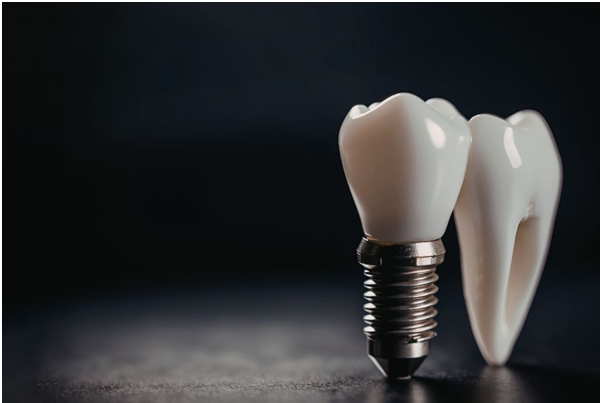
An implant is a small post, usually made of titanium, that is placed into the jawbone. Over a few months, the bone grows around it and holds it firmly. A connector piece and a crown are then attached on top. Because the implant is anchored in bone, it acts much like a natural tooth root. It also gives the bone the pressure it needs to stay healthy.
Types of Implant Treatment
Implants can be used in several ways, depending on how many teeth are missing.
Single Tooth Implants
One implant supports one crown. This is the most common option for replacing a single missing tooth. It does not touch or affect the teeth next to it.
Implant-Supported Bridges
When several teeth in a row are missing, two or more implants can hold a bridge. This replaces multiple teeth without needing one implant for every tooth.
Implant-Retained Dentures
For people missing all their teeth, a denture can clip onto two to four implants. This stops the denture from slipping and makes chewing much easier.
Full-Arch Fixed Teeth
In some cases, four to six implants support a full set of fixed teeth that do not come out. This option feels the closest to having natural teeth again.
Every mouth is different, so the right approach depends on how much bone you have, how many teeth are missing, and what you want day to day. An Lower Hutt hospital dentist can walk you through your options and help you decide which type of treatment best fits your goals.
Bone Health and Why It Matters
An implant needs enough healthy bone to hold it in place. Think of it like planting a fence post. If the ground is too soft or too shallow, the post will wobble.
Before treatment, your dental team will usually take a 3D scan of your jaw. This shows how tall and wide the bone is and where nerves and sinuses sit.
What If There Is Not Enough Bone?
If the bone has shrunk, there are ways to help. The most common is a bone graft. During a graft, bone material is added to the area. Over a few months, your body uses it as a frame to grow new bone.
In the upper back jaw, the sinuses sit just above the teeth. If the bone there is thin, a sinus lift may be needed. This gently raises the floor of the sinus and adds bone underneath.
These extra steps add time to treatment, but they can make implants possible for people who might otherwise not be suitable.
What Affects Implant Success?
Dental implants have a high success rate. Studies often report that around 95 percent of implants are still working well after ten years. Still, a few things can affect how well an implant heals and lasts.
Smoking
Smoking reduces blood flow to the gums and slows healing. Smokers have a higher risk of implant failure. Many dental teams suggest stopping smoking before and after treatment.
Health Conditions
Uncontrolled diabetes and some other health problems can slow healing. Some medicines, like certain bone treatments, may also affect how the bone responds. Always share your full medical history with your dentist Lower Hutt team so they can plan safely around it.
Gum Health
Gum disease can damage the bone around an implant, just as it can around natural teeth. Any gum problems should be treated before an implant is placed.
Teeth Grinding
Clenching or grinding puts extra force on implants. A night guard can help protect them.
Daily Cleaning
Implants cannot get cavities, but the gums around them can become infected. This condition is called peri-implantitis. Good brushing and flossing help prevent it.
Your First Year With an Implant
Knowing what to expect can make the process feel easier.
The First Week
Mild swelling, bruising, and soreness are common for a few days. Cold packs, soft foods, and pain relief can help. Your dental team will also give you aftercare instructions, such as gentle salt-water rinses after meals. Most people return to work or school within a day or two.
The First Few Months
This is the healing stage. The bone slowly grows around the implant. You may wear a temporary tooth during this time. It is best to avoid chewing hard foods on that side.
Getting Your Final Tooth
Once the implant is firmly in place, usually after three to six months, your final crown is attached. It is shaped and coloured to match your other teeth.
Settling In
Most people say their implant soon feels like a normal part of their mouth. Many forget which tooth is the implant.
For example, picture someone who lost a front tooth in a cycling accident. At first, they felt nervous about the surgery. A year later, they eat, laugh, and take photos without thinking twice about it.
Questions to Ask Before You Start
- How many implants will I need, and which type of treatment do you suggest?
- Will I need a bone graft or any other extra steps?
- How long will the whole process take?
- What will I wear while the implant heals?
- What follow-up care is included?
- What happens if there is a problem later on?
Clear answers help you feel confident and avoid surprises along the way.
Common Myths About Dental Implants
- Myth: Implants are very painful. Most people say the procedure feels easier than a tooth extraction, thanks to numbing medicine.
- Myth: You are too old for implants. Age alone is rarely a barrier. Many people in their 70s and 80s have successful implants.
- Myth: Implants need no care. They need daily brushing, flossing, and regular check-ups, just like natural teeth.
- Myth: Implants look fake. A well-made crown is shaped and coloured to blend in with your smile.
Caring for Implants Over the Long Term
- Brush twice a day with a soft toothbrush.
- Clean around the implant daily using floss, interdental brushes, or a water flosser.
- Avoid chewing ice or very hard foods.
- Wear a night guard if you grind your teeth.
- Keep up with regular check-ups and professional cleans.
What Affects the Cost of Dental Implants?
The cost depends on the number of implants, the type of crown or bridge, and whether you need extra steps like bone grafting or tooth removal. Implants usually cost more at the start than bridges or dentures. However, because they can last many years, many people see them as good value over time. Some people also spread treatment out in stages to manage costs. Ask for a written treatment plan with all costs listed.
Final Thoughts on Dental Implants
Dental implants can restore your smile, protect your jawbone, and help you eat and speak with confidence. They are a strong, long-lasting option, but they work best when your bone, gums, and general health are in good shape.
Take time to learn about your options and ask questions. A careful exam and a clear plan can help you decide whether implants are the right choice for you.